Showing posts with label Safety Tips. Show all posts
Showing posts with label Safety Tips. Show all posts
Wednesday, January 18, 2017
Driver Safe Using New Technology


Wednesday, January 4, 2017
Our best tips to help your property withstand winter
By Cincinnati Insurance
If you haven’t made preparations already, now might be your last chance to get your home or business in shape before the coldest months of the year. Here are our best tips for commercial property owners and homeowners that can help you prevent damage from the worst that winter has to offer.
 Buildings protect us from the elements but, like people, are not immune to seasonal change. Take action to help protect your commercial building from the effects of winter. Your efforts now will keep you and your customers more comfortable later.
Here are some tips for owners of commercial buildings covering general building maintenance; snow and ice removal and management; and frozen pipe prevention. More
Did you know that letting your most weather-susceptible faucets drip during periods of extreme cold can keep your water pipes from freezing? Don’t let cold weather ice your pipes this winter!
Because liquid expands as it freezes, pipes full of water are vulnerable, and those outdoors or running against exterior walls are especially susceptible. With a few preventive steps, you can save the expense and bother of burst pipes and water damage. More
There’s plenty of cold weather ahead of us – enough to freeze pipes, causing costly water damage at your home or business.
If you suspect you have a frozen pipe – you’ve turned on the faucet, but no water comes out – call a qualified plumber immediately. Shut off the main water valve, and leave the faucets open until repairs are made. If a pipe has burst, take the necessary steps to prevent further damage, and contact your insurance agent to file a claim. More
If you haven’t made preparations already, now might be your last chance to get your home or business in shape before the coldest months of the year. Here are our best tips for commercial property owners and homeowners that can help you prevent damage from the worst that winter has to offer.
—
A well-maintained building is ready for winterHere are some tips for owners of commercial buildings covering general building maintenance; snow and ice removal and management; and frozen pipe prevention. More
—
Let it flow! Let it flow! Let it flow!Did you know that letting your most weather-susceptible faucets drip during periods of extreme cold can keep your water pipes from freezing? Don’t let cold weather ice your pipes this winter!
Because liquid expands as it freezes, pipes full of water are vulnerable, and those outdoors or running against exterior walls are especially susceptible. With a few preventive steps, you can save the expense and bother of burst pipes and water damage. More
—
First aid for frozen pipes – steps to prevent more problemsThere’s plenty of cold weather ahead of us – enough to freeze pipes, causing costly water damage at your home or business.
If you suspect you have a frozen pipe – you’ve turned on the faucet, but no water comes out – call a qualified plumber immediately. Shut off the main water valve, and leave the faucets open until repairs are made. If a pipe has burst, take the necessary steps to prevent further damage, and contact your insurance agent to file a claim. More
Thursday, January 7, 2016
Protect Your Building from the Cold
Arctic temperatures can have a dramatic effect on your building — and your livelihood. Regular maintenance and a winter weather plan can help you avoid any negative impact.
 Winter storms frequently cause electrical power failure, which in turn can disable your heating system. If this happens, water-filled piping (such as sprinklers, domestic water pipes and heating, ventilation and air conditioning systems) may freeze and rupture. It is important to assess the potential for this hazard.
WHAT CAN HAPPEN

- Inspect all safety shutoff valves and cutoff switches on combustion equipment such as rooftop units, boilers and ovens, including water main shutoffs and main electrical service disconnects.
- Have qualified contractors or staff properly inspect heating, air-handling units and space heaters on at least an annual basis. Assure that space heaters are monitored for fire safety.
- Review the location and storage of flammable liquids such as propane, gasoline and diesel fuel. Should your sprinkler system freeze and require that it be disabled, it is recommended to reduce this storage to a minimum to minimize the amount of fuel in a fire.
HOW TO REDUCE YOUR RISK
There are some strategies you can implement to protect your facility and minimize the impact of severe weather on your business:- Maintain building temperatures above 55 degrees. Plan for maintenance personnel to properly monitor buildings during cold snaps, making more frequent visits to buildings or areas of buildings not normally occupied.
- Inspect all areas along the inside and outside perimeters of the building to ensure they are sealed and there are no drafty areas.
- Maintain roofs in good condition, including repairing leaks, securing flashing and clearing debris from the roof, roof drains and overflow scuppers.
- Check that downspouts are secured to buildings and clear of leaves and debris. If they iced over during a previous winter, consider properly installing heat trace to prevent major icicles and dams.
- Make sure all building openings are weather-tight so they do not admit cold air.
- Consider how you’ll address removing snow accumulation on your roof. If you or a contractor use a snow blower, make sure the height of the snow blower shave plate is adjusted higher as to not damage the underlying roofing material.
Thursday, December 17, 2015
Safe Travels this Holiday!
The Holidays are in full swing and with Christmas just a couple of days away; many have already started their Holiday travels. Being the insurance people that we are, here are a few tips for a safe and secure season of travel.
 3) Car travelers should be prepared for heavy snow at all times. The best way to do this is to make sure you have extra blankest, windshield washer fluid, ice scrapers and even a small shovel. You never know when you might need any of those things. Also, be sure to have your phone charged during the trip so that you have it in case of an emergency.
4) Don’t skimp on heat in your home: This time last year our big recommendation in our “Traveling Over the Holiday” blog article was to keep the heat in your house at a reasonable level so your pipes don’t freeze. Again, we recommend this.
Those are just a few simple tips. We here at Fey Insurance hope you have a wonderful Holiday and Merry Christmas

1) Make your home seem like someone is still there. You can do this several ways. Leave your front and back porch lights on so that at night your house is lit up. Ask a neighbor to collect your mail while you are gone so it doesn’t stack up. You can also ask the post office to hold if for you until you get back. Another way to make it look like you are home is to ask a neighbor to pull in and out of your driveway at some point if it snows giving the appearance that you have been in and out of your house.
2) Don’t show off to the Facebook world that you are on vacation. I know this can be tough for some but letting everyone know you are out of town on Facebook can be dangerous. We recommend waiting until you get home from your trip before you post vacation pictures.
4) Don’t skimp on heat in your home: This time last year our big recommendation in our “Traveling Over the Holiday” blog article was to keep the heat in your house at a reasonable level so your pipes don’t freeze. Again, we recommend this.
Those are just a few simple tips. We here at Fey Insurance hope you have a wonderful Holiday and Merry Christmas
Wednesday, November 25, 2015
Thanksgiving Safety Tips from NFPA
Here is an article from the National Fire Protection Association (NFPA) on Thanksgiving Safety Tips. From our family here at Fey Insurance Services to yours, have a wonderful and safe Thanksgiving!
THANKSGIVING SAFETY TIPS
The kitchen is the heart of the home, especially at Thanksgiving. Kids love to be involved in holiday preparations. Safety in the kitchen is important, especially on Thanksgiving Day when there is a lot of activity and people at home.
Safety tips:
•Stay in the kitchen when you are cooking on the stovetop so you can keep an eye on the food.
•Stay in the home when cooking your turkey and check on it frequently.
•Keep children away from the stove. The stove will be hot and kids should stay 3 feet away.
•Make sure kids stay away from hot food and liquids. The steam or splash from vegetables, gravy or coffee could cause serious burns.
•Keep the floor clear so you don’t trip over kids, toys, pocketbooks or bags.
•Keep knives out of the reach of children.
•Be sure electric cords from an electric knife, coffee maker, plate warmer or mixer are not dangling off the counter within easy reach of a child.
•Keep matches and utility lighters out of the reach of children — up high in a locked cabinet.
•Never leave children alone in room with a lit a candle.
•Make sure your smoke alarms are working. Test them by pushing the test button
THANKSGIVING SAFETY TIPS
The kitchen is the heart of the home, especially at Thanksgiving. Kids love to be involved in holiday preparations. Safety in the kitchen is important, especially on Thanksgiving Day when there is a lot of activity and people at home.
Safety tips:
•Stay in the kitchen when you are cooking on the stovetop so you can keep an eye on the food.
•Stay in the home when cooking your turkey and check on it frequently.
•Keep children away from the stove. The stove will be hot and kids should stay 3 feet away.
•Make sure kids stay away from hot food and liquids. The steam or splash from vegetables, gravy or coffee could cause serious burns.
•Keep the floor clear so you don’t trip over kids, toys, pocketbooks or bags.
•Keep knives out of the reach of children.
•Be sure electric cords from an electric knife, coffee maker, plate warmer or mixer are not dangling off the counter within easy reach of a child.
•Keep matches and utility lighters out of the reach of children — up high in a locked cabinet.
•Never leave children alone in room with a lit a candle.
•Make sure your smoke alarms are working. Test them by pushing the test button
Wednesday, November 4, 2015
Flue season: Have your fireplace and chimney inspected
-Cincinnati Insurance Company (Paul Thibault)
Home heating fires are the second leading cause of home fire deaths after cooking fires, according to the National Fire Protection Association. Fireplaces, chimneys and flues account for a significant number of home heating fires.
 Homeowners with a wood-burning fireplace or solid fuel stove or insert can protect your property and your family by having a qualified professional inspect and clean your chimney at least annually to prevent a buildup of creosote.
Creosote is a tarry residue or solid organic compound caused by incomplete combustion of wood that can build up in chimneys and ignite a chimney fire. A heavily used fireplace or stove may require periodic cleaning throughout the heating season. NFPA statistics show that failure to clean creosote from chimneys was the leading factor in 28 percent of the home heating equipment fires between 2007 and 2011.
The U.S. Fire Administration offers a series of videos showing how to safely build and tend a fire. Additional tips for safe fireplace and wood stove use:
-Equip your fireplace with a sturdy glass or metal screen to stop sparks from flying into the room.
-Inspect your fireplace’s flue prior to use for any obstructions or blockage by using a flashlight and looking up the flue. This also assures that the flue’s damper control is open prior to lighting the fire.
-Keep anything that can burn at least three feet away from the fireplace or wood stove. NFPA statistics show 53 percent of fires resulting in home heating fire deaths were caused by having heating equipment too close to things that can burn, such as upholstered furniture, clothing, mattresses or bedding.
-Only adults should build and tend a fire; enforce a three-foot “kid-free zone” around fireplaces and wood stoves.
-Always use the right kind of fuel, specified by the manufacturer, for inserts. For fireplaces and wood stoves, use only seasoned wood. Green wood increases creosote buildup.
-Do not burn cardboard, wrapping paper or other rubbish in the fireplace or wood stove.
-Never use lighter fluid or any flammable or combustible liquids to start the fire.
-Make sure a fully charged fire extinguisher is nearby and accessible.
-Install smoke alarms and carbon monoxide detectors as recommended, change the batteries twice a year, and test them according to manufacturer’s recommendations, usually monthly.
-Put out fireplace fires before going to sleep or leaving your home.
-Allow ashes to cool prior to cleaning out a fireplace or wood stove. Ashes that seem cool may contain concealed hot embers for several days after your last fire. Place the ashes in a covered metal container and keep the container outdoors a safe distance away from your home or any buildings.Have fireplace inserts or wood stoves installed by a qualified professional who can meet the established NFPA 211 standard. Never attempt to install them yourself. According to the NFPA, 10 percent of fires involving heating appliances actually involve the ignition of structural members where flues or chimneys pass through a building’s wall.
Home heating fires are the second leading cause of home fire deaths after cooking fires, according to the National Fire Protection Association. Fireplaces, chimneys and flues account for a significant number of home heating fires.
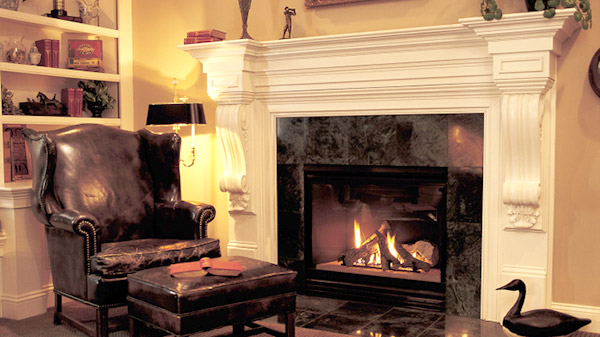 Homeowners with a wood-burning fireplace or solid fuel stove or insert can protect your property and your family by having a qualified professional inspect and clean your chimney at least annually to prevent a buildup of creosote.
 Creosote is a tarry residue or solid organic compound caused by incomplete combustion of wood that can build up in chimneys and ignite a chimney fire. A heavily used fireplace or stove may require periodic cleaning throughout the heating season. NFPA statistics show that failure to clean creosote from chimneys was the leading factor in 28 percent of the home heating equipment fires between 2007 and 2011.
The U.S. Fire Administration offers a series of videos showing how to safely build and tend a fire. Additional tips for safe fireplace and wood stove use:
-Equip your fireplace with a sturdy glass or metal screen to stop sparks from flying into the room.
-Inspect your fireplace’s flue prior to use for any obstructions or blockage by using a flashlight and looking up the flue. This also assures that the flue’s damper control is open prior to lighting the fire.
-Keep anything that can burn at least three feet away from the fireplace or wood stove. NFPA statistics show 53 percent of fires resulting in home heating fire deaths were caused by having heating equipment too close to things that can burn, such as upholstered furniture, clothing, mattresses or bedding.
-Only adults should build and tend a fire; enforce a three-foot “kid-free zone” around fireplaces and wood stoves.
-Always use the right kind of fuel, specified by the manufacturer, for inserts. For fireplaces and wood stoves, use only seasoned wood. Green wood increases creosote buildup.
-Do not burn cardboard, wrapping paper or other rubbish in the fireplace or wood stove.
-Never use lighter fluid or any flammable or combustible liquids to start the fire.
-Make sure a fully charged fire extinguisher is nearby and accessible.
-Install smoke alarms and carbon monoxide detectors as recommended, change the batteries twice a year, and test them according to manufacturer’s recommendations, usually monthly.
-Put out fireplace fires before going to sleep or leaving your home.
-Allow ashes to cool prior to cleaning out a fireplace or wood stove. Ashes that seem cool may contain concealed hot embers for several days after your last fire. Place the ashes in a covered metal container and keep the container outdoors a safe distance away from your home or any buildings.Have fireplace inserts or wood stoves installed by a qualified professional who can meet the established NFPA 211 standard. Never attempt to install them yourself. According to the NFPA, 10 percent of fires involving heating appliances actually involve the ignition of structural members where flues or chimneys pass through a building’s wall.
Friday, May 8, 2015
Tornado Truths That Can Help You Stay Safe
Tornadoes
have caused severe and irreparable damage to tens of thousands of Americans and
their property in recent years. On top of the physical and emotional fallout, many
have also lost their lives as a direct result of a tornado.
Although
you can never control the weather or the outcome of a destructive storm, there
are steps you can take to help you and your family remain protected in the
event of a tornado. Those steps of action begin with knowing fact from myth.
Here
are a few tornado truths that could help keep you and those you love safe:
When
indoors, shut all windows and doors.
Do not leave them open in an attempt to follow the mythical need to “pressurize”
your home because the result would more likely be debris flying through the window
and causing severe harm, or wind pressure working to lift the roof off the
house from the inside.
If
you are inside your home or other structure, retreat to the
lowest level (a basement is ideal) or the room closest to the middle of the
home or farthest from windows and doors. Do not seek a “corner” of the
structure for your retreat; instead, go to the center-most point, away from
windows and anything heavy that could fall on your head.
If
you’re outdoors, find the lowest
spot, such as a ditch or dry river bed, and lie flat on your stomach, covering
the back of your head with your hands. Do not follow the myth of seeking shelter
underneath a bridge or overpass because it could collapse on top of you or
large debris and winds could come rushing underneath and potentially sweep you
up into the tornado itself.
If
you are in a vehicle, abandon the
vehicle and try to find shelter in a structure or outdoors in a low place where
you should lay stomach-down and cover the back of your head with your hands. Most
importantly, do not attempt to drive away from the storm unless it’s very
obviously far away and moving in the opposite direction.
Do
not take shelter near a road or foothill and expect the tornado to miss you. Some
myths say that tornadoes will reverse their directions when nearing a road or
foothill, but a tornado doesn’t discriminate and will keep on its path.
Keep
head gear handy. Head protection can be the number-one most important factor in
remaining protected from flying debris—indoors or outdoors—so know where bike,
football, batting, boxing and other helmets are in the house, and make them
easily accessible.
At Fey Insurance we want to help you know
the tornado truths that will help keep you and your family safe. For more tornado
safety tips, visit the Storm Prediction Center’s comprehensive guide at http://www.spc.noaa.gov/faq/tornado/safety.html.
Wednesday, March 25, 2015
After-School Safety Tips for Parents and Kids
Parents, weather is starting to warm up in southwest Ohio, so you’ve likely
already reviewed the basic safety tips for kids who walk or bus to and from
school.
Those tips, of course, are:
- Walk
with a buddy
- Stay
in well-lit areas
- Never
accept a ride with strangers
- Once
home, lock the door and don’t let anyone in
However, Dr. Michele Borba, author of The Big
Book of Parenting Solutions, urges you not to overestimate your kids’ safety
smarts. Kids under 10, for example, may not grasp the concept of crossing a
street safely, she says.
She suggests teaching them: “Stop. Left. Right. Left.” Meaning that
children should, “stop at the curb,
look left, right, then left again before crossing, and keep looking as they
cross.”
Another thing kids need to know, says Borba, is how to ask for help.
Have kids practice saying, “I need help,” out loud and instruct them to “find a uniformed employee, a police officer or a
woman, preferably with a child,” when they need assistance, she says.
Once home, kids will likely use the Internet, so
be sure to discuss digital safety too.
Staying Safe Online
Intrnet safety advocate Sue
Scheff, author of Wit's End
and Google Bomb, says that, “we need to
put parental controls/security measures on computers and cell phones. Unfortunately,
these aren’t guarantees, so having a cyber-smart child is your best
defense.”
Teach kids about the dangers of sharing personal
information, such as their home address and phone number, online. And about
using social media responsibly.
While online, it’s best for kids – and adults –
to converse and connect only with people they truly know and trust, to keep
their social accounts private and to still be cautious even then. After all,
photos and information that go online today will still be there years later,
when kids apply for college scholarships and jobs.
Above all, stay involved in your kids’ digital
lives. Let them know you’re there for them, always – to talk, not to judge or
punish, says Scheff. “Many kids fear having their Internet removed if they tell their parents they are being
bullied online,” she says.
So keep the lines of communication open to help
keep everyone safe, both in and outside of your home.
-Safeco Insurance Article
Wednesday, March 4, 2015
Prevent Water From Going Where it Shouldn’t

One
of the most disheartening experiences is to find flooding or extreme water damage
to your treasured home in Oxford or Cincinnati, OH.
At Fey Insurance we know you want to protect what’s important. That’s why we’re offering these tips to help you prevent many of the most common causes of water damage.
Just a little time and some effort can prevent a lot of heartache and hassle.
Ø Make
sure your water pressure is not set too high. For just $6 or so, you can
purchase a gauge that will help you test your pressure for the appropriate
level, which should be set between 60 and 80 PSI.
Ø Standard
hoses on new appliances are not as durable as they used to be. So check your
appliances. If they’re rubber, either replace them with longer lasting
stainless steel braided hoses or replace them every three years.
Ø Keep
water from leaking into the walls or floor of your bathroom by replacing
cracked tiles and re-grouting when it’s needed.
Ø Examine
the shingles on your roof. Worn, curled or missing shingles allow water in, so
replace them as soon as noticed.
Ø Consider
buying a water alarm, which can help you find leaks, or automatic shut-off
mechanisms, which can help avoid bursts.
Ø A
lot of water damage occurs when you and your family are away from home. Make a practice to avoid running the washing
machine or dishwasher while you’re out.
Ø When
you leave for vacations, turn off the water supply to appliances.
Ø Keep
up maintenance on all appliance hoses, because slow leaks from worn out hoses
can cause major damage (and they are not covered under Homeowners insurance).
At Fey Insurance we hope these pointers will ensure your
house stays nice and dry this year!
-Safeco Insurance Article
Tuesday, January 6, 2015
To Shovel or Not to Shovel? Here's the Law in Ohio
 As far
as Ohio law goes, homeowners don’t have a legal obligation to shovel sidewalks
due to a natural accumulation of snow and ice, but this doesn’t mean you
shouldn’t at least try to maintain them.
As far
as Ohio law goes, homeowners don’t have a legal obligation to shovel sidewalks
due to a natural accumulation of snow and ice, but this doesn’t mean you
shouldn’t at least try to maintain them.In December 1993 the Ohio Supreme Court upheld this law when a guest attempted to sue a homeowner in Franklin County for a slip and fall outside of the homeowner’s house.
In the case Brinkman v. Ross, the court ruled that you are walking at your own risk when Mother Nature calls. The case stemmed from a visit by the Brinkman’s to the home of the Ross’ in February 1989. Ms. Brinkman slipped outside the Ross home breaking her ankle. She sued her hosts in Franklin County Court of Common Pleas. The court threw out the complaint, indicating that it had long been established that Ohio homeowners are not obligated to remove natural accumulations of snow and ice.
The decision was reversed in the court of appeals, saying that if a homeowner knows of a hazardous condition and invites guests to visit, there is an obligation to at least warn them. The case then went to the Ohio Supreme Court where the judgment was overturned.
It’s up to your guests and other pedestrians to assume that due to the nature of Ohio winters, there’s always a risk of a slip or fall due to the natural accumulation of ice and snow.
Local
snow removal ordinances
Local municipalities may invoke snow removal ordinances. If your city or township has an ordinance that requires residents to keep walkways free of snow and ice, then you have a responsibility to maintain your sidewalks. Some Ohio cities with snow removal ordinances levy fines for not removing snow in a timely manner while others issue warnings.
However, a local ordinance does not automatically implicate a homeowner if someone slips and falls on their uncleared property.
Examples of local
snow removal ordinances/requirementsLocal municipalities may invoke snow removal ordinances. If your city or township has an ordinance that requires residents to keep walkways free of snow and ice, then you have a responsibility to maintain your sidewalks. Some Ohio cities with snow removal ordinances levy fines for not removing snow in a timely manner while others issue warnings.
However, a local ordinance does not automatically implicate a homeowner if someone slips and falls on their uncleared property.
Below are links to information and/or snow removal ordinances for several Ohio cities and communities. The Ohio Insurance Institute suggests checking with your local municipality on any snow removal policies or requirements. Many provide this information online. Use the key word search “snow removal ordinance” along with your city or local municipality’s name.
• Cincinnati
• Fairfield
• Centerville
• Columbus
Wednesday, December 24, 2014
Safe Travels this Holiday

The Holidays are in full swing and with Christmas just a
day away; many have already started their Holiday travels. Being the insurance
people that we are, here are a few tips for a safe and secure season of travel.
1) Make your home seem like someone is still there. You can do
this several ways. Leave your front and back porch lights on so that at night
your house is lit up. Ask a neighbor to collect your mail while you are gone so
it doesn’t stack up. You can also ask the post office to hold if for you until
you get back. Another way to make it look like you are home is to ask a
neighbor to pull in and out of your driveway at some point if it snows giving
the appearance that you have been in and out of your house.
2) Don’t show off to the Facebook world that you are on vacation.
I know this can be tough for some but letting everyone know you are out of town
on Facebook can be dangerous. We recommend waiting until you get home from your
trip before you post vacation pictures.
3) Car travelers should be
prepared for heavy snow at all times. The best way to do this is to make sure
you have extra blankest, windshield washer fluid, ice scrapers and even a small
shovel. You never know when you might need any of those things. Also, be sure
to have your phone charged during the trip so that you have it in case of an
emergency.
4) Don’t skimp on heat in your home: we recommend
to keep the heat in your house at a reasonable level so your pipes don’t
freeze.
Those are just a few simple tips. We here at Fey Insurance hope you have a wonderful Holiday and Merry Christmas
Those are just a few simple tips. We here at Fey Insurance hope you have a wonderful Holiday and Merry Christmas
Wednesday, December 10, 2014
Home Security System
 On a daily basis you see
ads on TV for home security systems. We at Fey Insurance highly recommend the
installation of a Home Security System to add additional protection for you and
your family. Insurance will work to put your property back in place after a
fire or burglary, but a Home Security System will work to prevent or minimize
the effects of that fire or burglary. If you are interested in such a Home
Security System, please call us and we will tell you our opinion of the various
manufacturers and what features to consider. For example battery backups are
usually included in Home Security Systems, but we would also recommend cellular
backups for your system in the event your normal phone service goes down or
even disabled by a potential burglar. We would include carbon monoxide
detectors in your system especially if you have a natural gas furnace or hot
water heater. Central station monitoring is preferable to systems that go
directly into a police or fire dispatch. Both are considered superior to a
system that only sounds a local alarm in your home. There are discounts on your
Homeowner policy for the installation of a Home Security System. Please call us
to review those discounts. But the most important reason, in our opinion, to
install such a system is for additional security for your family and peace of
mind that you are doing everything to protect your family and your property.
On a daily basis you see
ads on TV for home security systems. We at Fey Insurance highly recommend the
installation of a Home Security System to add additional protection for you and
your family. Insurance will work to put your property back in place after a
fire or burglary, but a Home Security System will work to prevent or minimize
the effects of that fire or burglary. If you are interested in such a Home
Security System, please call us and we will tell you our opinion of the various
manufacturers and what features to consider. For example battery backups are
usually included in Home Security Systems, but we would also recommend cellular
backups for your system in the event your normal phone service goes down or
even disabled by a potential burglar. We would include carbon monoxide
detectors in your system especially if you have a natural gas furnace or hot
water heater. Central station monitoring is preferable to systems that go
directly into a police or fire dispatch. Both are considered superior to a
system that only sounds a local alarm in your home. There are discounts on your
Homeowner policy for the installation of a Home Security System. Please call us
to review those discounts. But the most important reason, in our opinion, to
install such a system is for additional security for your family and peace of
mind that you are doing everything to protect your family and your property.
Wednesday, November 26, 2014
Alternate Sources of Home Heating
 The high cost of home heating and the current recession have led many Americans to search for alternate sources of home heating. Many of these sources of heating may be acceptable if appropriate safeguards are used. However, be aware these supplemental heating devices are responsible for thousands of home fires each year.
WOOD STOVES
Wood stoves cause more than 4,000 residential fires each year. Carefully follow the manufacturer's installation and maintenance instructions. Look for solid construction, such as plate steel or cast iron metal. Check for cracks and inspect legs, hinges and door seals for smooth joints and seams. Use only seasoned wood for fuel, not green wood, artificial logs or trash. Inspect and clean your pipes and chimneys annually and check monthly for damage or obstructions. Cleaning more often may be necessary. Be sure to keep combustible objects at least three feet away from your wood stove.
ELECTRIC SPACE HEATERS
Buy only heaters with the Underwriter's Laboratory (UL) safety listing. Check to make sure it has a thermostat control mechanism, and will switch off automatically if the heater falls over. Space heaters need space, keep combustibles at least three feet away from the heater. Always unplug your electric space heater when not in use.
KEROSENE HEATERS
Buy only UL-approved heaters and check with your local fire department on the legality of kerosene heaters use in your community. Never fill your heaters with gasoline or cam stove fuel, both flare up easily. Only use crystal clear K-1 kerosene. Never overfill an portable heater and never fuel the heater when it is hot. Use the kerosene heaters in a well-ventilated room. Kerosene heaters pose perhaps the worst exposure largely due to improper use and the fact they contain a highly flammable liquid-not to mention potentially dangerous fumes.
FIREPLACES
Fireplaces and wood stoves regularly build up creosote in their chimneys. They need to be cleaned frequently and chimneys should be inspected for obstructions and crack to prevent deadly chimney and roof fires. Check to make sure the damper is open before starting any fire. Never burn trash, paper or green wood in your fireplace. These materials cause heavy creosote buildup and are difficult to control. Use a screen heavy enough to stop rolling logs, and big enough to cover the entire opening of the fireplace to catch flying sparks. Do not wear loose fitting clothes near any sealed metal container outside the home.
Finally, having a working smoke alarm dramatically increases your chances of surviving a fire. Always remember to practice a home escape plan frequently with your family.
Source: US Fire Association
Wednesday, October 29, 2014
Road trip! Know the laws where you drive
Before you head out on your road trip, consider your itinerary. Traffic laws and enforcement in states that you visit may differ from the state where you live.
 The National Highway Traffic Safety Administration offers a website with a map detailing state distracted driving laws. Click on the state to see restrictions on cell phone and texting use by age, in school zones or construction zones.
The Governors Highway Safety Association also offers a convenient map describing many traffic-related laws. Click on the state for a list of laws and restrictions connected to seatbelts, speeds, older or younger drivers, motorcycle helmet use, child safety seats, impaired or aggressive driving and driving in work zones. Another source for state traffic regulations is the Insurance Institute for Highway Safety.
Your automobile or travel club may also be able to provide information specific to the states you plan to visit.
Here’s a summary of some common traffic-related laws:
Speed limits for passenger cars vary from 55 to 75 mph on interstate highways, and limits can change between urban and rural areas.
Cell phone restrictions vary widely. In 11 states and the District of Columbia, all drivers are prohibited from using handheld cell phones. Several other states ban all cell phone use – handheld or hands-free – for young drivers.
Texting while driving is a bad idea no matter who or where you are, but the penalties you may face for breaking the law could vary. In 41 states and the District of Columbia, text messaging is banned for all drivers. Some states put additional restrictions on young drivers.
Seat belt enforcement may be either primary or secondary. For a primary offense, a law enforcement officer can cite you directly for not using your seat belt. In states where enforcement is secondary, you would be cited only in conjunction with another traffic infraction.
Child safety seats are required in all 50 states for children who meet certain requirements, and all states except Florida and South Dakota also require booster seats for older children. Check the chart for weight limits and fines in each state.
Young drivers in some states are limited in the number of passengers they may carry, and passengers may be limited to immediate family members only.
Headlights may be required even during the day in some states if weather conditions require you to use windshield wipers or when visibility is restricted by fog. Look for a sign at the state line.
Stop light and speed cameras may be in use in some communities. Most states do not have laws restricting these enforcement measures, so don’t be surprised if you drive through a municipality that uses them. In most cases, the use of enforcement cameras is posted on signs at city limits.
The National Highway Traffic Safety Administration offers a website with a map detailing state distracted driving laws. Click on the state to see restrictions on cell phone and texting use by age, in school zones or construction zones.The Governors Highway Safety Association also offers a convenient map describing many traffic-related laws. Click on the state for a list of laws and restrictions connected to seatbelts, speeds, older or younger drivers, motorcycle helmet use, child safety seats, impaired or aggressive driving and driving in work zones. Another source for state traffic regulations is the Insurance Institute for Highway Safety.
Your automobile or travel club may also be able to provide information specific to the states you plan to visit.
Here’s a summary of some common traffic-related laws:
Speed limits for passenger cars vary from 55 to 75 mph on interstate highways, and limits can change between urban and rural areas.
Cell phone restrictions vary widely. In 11 states and the District of Columbia, all drivers are prohibited from using handheld cell phones. Several other states ban all cell phone use – handheld or hands-free – for young drivers.
Texting while driving is a bad idea no matter who or where you are, but the penalties you may face for breaking the law could vary. In 41 states and the District of Columbia, text messaging is banned for all drivers. Some states put additional restrictions on young drivers.
Seat belt enforcement may be either primary or secondary. For a primary offense, a law enforcement officer can cite you directly for not using your seat belt. In states where enforcement is secondary, you would be cited only in conjunction with another traffic infraction.
Child safety seats are required in all 50 states for children who meet certain requirements, and all states except Florida and South Dakota also require booster seats for older children. Check the chart for weight limits and fines in each state.
Young drivers in some states are limited in the number of passengers they may carry, and passengers may be limited to immediate family members only.
Headlights may be required even during the day in some states if weather conditions require you to use windshield wipers or when visibility is restricted by fog. Look for a sign at the state line.
Stop light and speed cameras may be in use in some communities. Most states do not have laws restricting these enforcement measures, so don’t be surprised if you drive through a municipality that uses them. In most cases, the use of enforcement cameras is posted on signs at city limits.
Wednesday, October 8, 2014
Why "Spending 15 Minutes or Less" Can Hurt You
Buying insurance is one of the most important decisions you’ll make. Who you buy it from can be the difference between devastation and recovery when disaster strikes.
We are grateful that you chose to buy through an independent insurance agent.
Today’s TV and media ads bombard you with the message that purchasing insurance is as simple as grocery shopping. In truth, it’s not. You can’t pick a product off the shelf and be on your way.
Finding the right coverage requires due diligence on your part and ours, something you can’t get from a 15-minute phone call, a celebrity or even a talking lizard.
Why do people prefer independent agents?
 Consumers feel the difference. Almost 60 percent of consumers who purchased insurance through a direct channel 10 or more years ago reported switching back to an independent agent because they wanted more value, according to a 2013 study conducted by InsightExpress, an independent marketing research firm.
Consumers switched back to an independent agent because they wanted one point of contact to handle their insurance questions and needs. They wanted guidance from an experienced insurance professional, the study said.
That’s what we do. Independent insurance agents represent multiple insurance companies. We are familiar with underwriting styles and have researched the nuances of numerous policies.
Risk management is key
We also provide advice on the ins and outs of risk management, meaning we explain coverage options and how having or not having that coverage could impact your entire situation.
Our philosophy is to look at the big picture. We believe your insurance program is there to protect all of your assets. What you choose for one type of coverage, such as auto insurance, can have an impact on all of your assets.
Some competitors will lure you with a lower rate on a single type of insurance, but less coverage. You may think you got a deal, but you could get burned later.
When our clients ask for a quote, we don’t just do the comparison shopping and run the numbers – we strive to find the best coverage and rates for your particular needs.
How things go wrong
Independent agents offer a complete package, whereas some competitors are interested in only one piece. For example, they might sell auto insurance and tell you that insurance shouldn’t be “bundled.” Looking at it piecemeal instead of as an entire solution is where we’ve seen clients get hurt.
Imagine you purchased lesser coverage through a company that said they’ll take 15 minutes to save you money on auto insurance. When you signed up, the representative didn’t ask about the value of your home or tell you that your level of coverage should involve looking at the value of your assets. Later, you cause a major car accident. Your auto insurer writes a check that doesn’t cover the victim's expenses, and with that, the insurer’s obligation to you is over. But this doesn’t cover a hurt passenger’s expenses, so he sues you for $1 million. If your home is your biggest asset, you face losing it and your savings.
When you work with an independent agent
In that scenario, we could have helped and suggested umbrella coverage. But with a telephone or online quote, this may not have been an option. Our agency is here for you throughout the life of your policy. We answer questions, handle issues and adjust your coverage as needed. To file a claim, you call us, not an 800 number. We advise you and walk you through the process. Personal attention is part of the package.
Our competitors are at a disadvantage because they sell for a single insurance company and are limited to the options offered by their employer. Bottom line, our competitors represent their insurance company. As independent insurance agents, we represent you.
Thursday, September 11, 2014
How to Avoid Contractor Fraud
Starting a house project? Read these helpful tips before you hire a
contractor.

-Get
a list of reputable contractors from your insurance company, the Better
Business Bureau or a specialized consumer organization like Angie’s List.
-Contact
multiple contractors, and obtain more than one estimate.
-Don’t
allow a contractor to inspect your property if you’re not home.
-When
the contractor is inspecting your property, personally watch him conduct the
inspection.
-Obtain
the terms and conditions of the project in writing, including details on
specific supplies being used and who will purchase and deliver them. Include an
estimated completion date and a price-deduction schedule if work takes longer
than promised.
-Ask
about warranties on work.
-Make
sure the contractor gets the necessary permits and puts them in his name.
-Ask
for references from recently completed work. Call them and look at the work if
possible. Ask if there were issues and if the homeowner would use the
contractor again.
-Ask
the contractor if he has liability insurance, and get the policy number and
agency’s name. Call the agency, and ask them to provide you with a liability
certificate of insurance. There should be no charge to you as a customer of a
contractor.
-Avoid
signing the contract until the document is reviewed fully and/or discuss the
terms of the contract with a legal representative or a knowledgeable source.
-Pay
the contractor by check or credit card rather than in cash.
-Don’t
pay for work in advance. If possible, don’t pay until the work is done. If you
do agree to pay portions at different stages, make sure the bulk of the payment
is made at the end of the project after inspections are passed.
-Get these details in writing.
Sources: Ohio
Department of Insurance, PIAA of Ohio, and Ted Kinney, CIC, CPCU, ARM
Thursday, September 4, 2014
Insurance Tips Before and After A Disaster
“If only I knew.”
Four words spoken after disasters by people who’ve learned they don’t have the
insurance coverage they thought they had. In our agency, we never want you to
be in that situation, so here are some tips to help.
Advice you need
before a disaster
You might have
purchased your insurance a long time ago. Do you remember the coverage choices
you made and your deductibles, endorsements and exclusions? These details can
make or break a family after a disaster, so take a few minutes to call us to
see if your coverage fits your current needs. Be sure to report life changes
and significant purchases or home improvements.
Do you know how much
coverage you have if your home or possessions are damaged by rain, hail,
lightning or tornadoes? If your roof was damaged in a storm, would it be
repaired or replaced? How soon after a storm do you need to report a loss? Are
you aware that most renters and homeowners policies don’t cover floods or
earthquakes? Do you have loss-of-use coverage in case you have to vacate your
home temporarily? If a tree falls on your car, do you have the right auto
coverage?
If you don’t know the
answers, it’s important to call us to learn what your policy specifies. Another helpful tip is to create a home inventory every few years. It
sounds like a headache, but anyone who has filed a claim will vouch for its
value, and technology has made the process quick and easy. Videotape or
photograph your possessions room by room. Get close-ups of valuable items, and
keep receipts. Create an inventory by downloading an app or using a website
like knowyourstuff.org, recommended by the Ohio Committee for Severe Weather
Awareness (OCSWA). Store this inventory on the web or somewhere outside your
home to keep it protected.
Insurance tips for
after a disaster
Inspect your property
and vehicles. Make a list of what is damaged and how. Take photos for
documentation. And report your loss in a timely manner. Also take steps to
protect possessions from further damage after the disaster.
If you need to move
out of your residence temporarily, provide us with a phone number where we can
call you. Find out the monetary limit your loss-of-use insurance covers before
you choose a hotel. When you file a claim, back it up with written estimates
and your home inventory information. Prepare now, and your
family will be grateful if there ever is a disaster.
Wednesday, November 21, 2012
Thanksgiving Safety Tips from NFPA
Here is an article from the National Fire Protection Association (NFPA) on Thanksgiving Safety Tips. From our family here at Fey Insurance Services to yours, have a wonderful and safe Thanksgiving!
THANKSGIVING SAFETY TIPS
The kitchen is the heart of the home, especially at Thanksgiving. Kids love to be involved in holiday preparations. Safety in the kitchen is important, especially on Thanksgiving Day when there is a lot of activity and people at home.
Safety tips:
•Stay in the kitchen when you are cooking on the stovetop so you can keep an eye on the food.
•Stay in the home when cooking your turkey and check on it frequently.
•Keep children away from the stove. The stove will be hot and kids should stay 3 feet away.
•Make sure kids stay away from hot food and liquids. The steam or splash from vegetables, gravy or coffee could cause serious burns.
•Keep the floor clear so you don’t trip over kids, toys, pocketbooks or bags.
•Keep knives out of the reach of children.
•Be sure electric cords from an electric knife, coffee maker, plate warmer or mixer are not dangling off the counter within easy reach of a child.
•Keep matches and utility lighters out of the reach of children — up high in a locked cabinet.
•Never leave children alone in room with a lit a candle.
•Make sure your smoke alarms are working. Test them by pushing the test button
THANKSGIVING SAFETY TIPS
The kitchen is the heart of the home, especially at Thanksgiving. Kids love to be involved in holiday preparations. Safety in the kitchen is important, especially on Thanksgiving Day when there is a lot of activity and people at home.
Safety tips:
•Stay in the kitchen when you are cooking on the stovetop so you can keep an eye on the food.
•Stay in the home when cooking your turkey and check on it frequently.
•Keep children away from the stove. The stove will be hot and kids should stay 3 feet away.
•Make sure kids stay away from hot food and liquids. The steam or splash from vegetables, gravy or coffee could cause serious burns.
•Keep the floor clear so you don’t trip over kids, toys, pocketbooks or bags.
•Keep knives out of the reach of children.
•Be sure electric cords from an electric knife, coffee maker, plate warmer or mixer are not dangling off the counter within easy reach of a child.
•Keep matches and utility lighters out of the reach of children — up high in a locked cabinet.
•Never leave children alone in room with a lit a candle.
•Make sure your smoke alarms are working. Test them by pushing the test button
Subscribe to:
Comments (Atom)
